
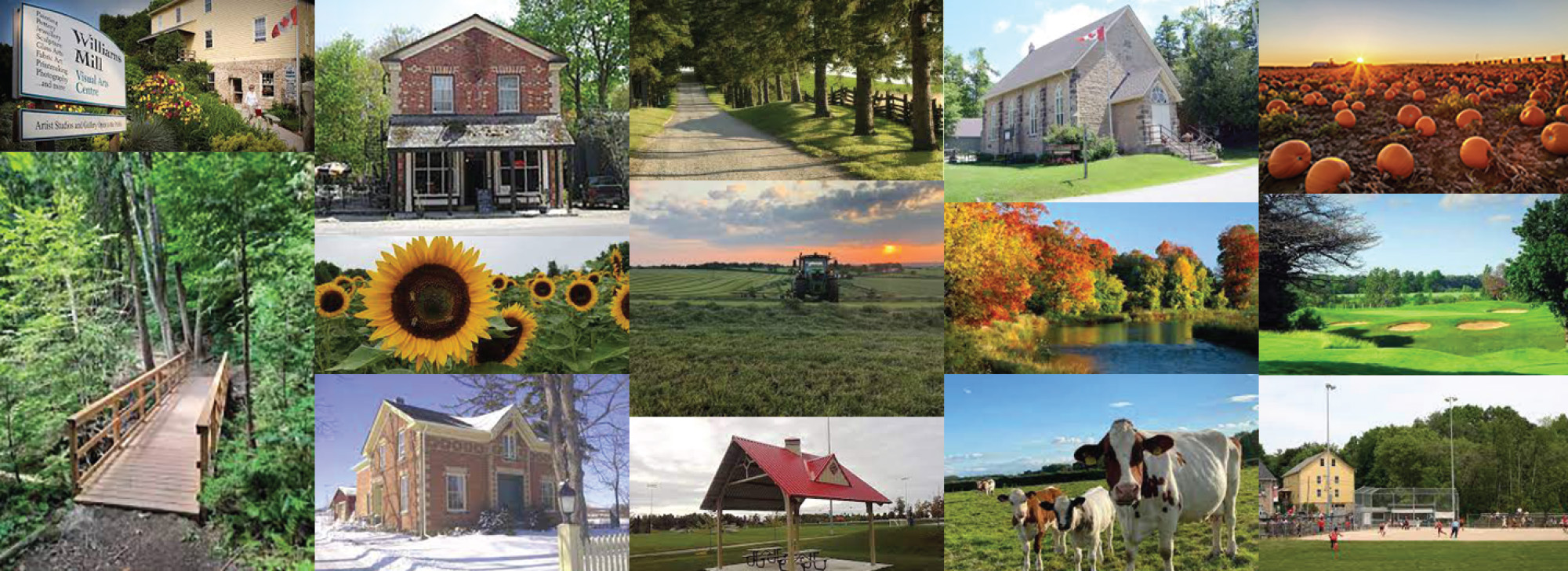
There are places in Halton Hills that are more than just points on a map.
They hold our history. They carry the character of our community. They remind us that growth and preservation do not have to be at odds, but they do need to be balanced with care. That is what our hamlets represent.
Glen Williams, Limehouse, Norval, Ballinafad, Stewarttown, Terra Cotta, and the other rural settlements across Halton Hills each have their own identity, streetscapes, road profiles, landscapes, heritage, built form, and overall feel. That character matters.
People live in these communities because they are different. They have a sense of place and feel connected to the past, the land, and the small-town character that makes Halton Hills special.
But we also have to be realistic. These communities are under pressure.
The risk, in my view, is that Hamlet’s character is not usually lost through one big decision. It is often lost through a series of smaller ones. A road standard applied without sufficient local context. A streetscape improvement that may be well-intentioned but does not fit the character of the area. A project that is delivered efficiently but unintentionally makes a unique place feel more like everywhere else. This is not about stopping change. It is about guiding it.
That is not a criticism of staff or the work being done. It is a recognition that without a clear and consistent structure, decisions may be made on a project-by-project basis rather than guided by a broader understanding of what makes each hamlet distinct.
That is why I brought forward a motion asking staff to report back on options for creating a Hamlet Character Preservation Structure for Halton Hills. The goal is to provide the Town with a practical tool to help guide planning, engineering, road, streetscape, infrastructure, and maintenance projects in our hamlets with greater clarity and consistency.
This work does not need to start from scratch. Many of our hamlets already have Secondary Plans that reflect their character. The question is how we take that information and turn it into something practical that can be used across departments and projects.
As part of the report back, I asked staff to examine the defining characteristics of each hamlet, including streetscape, road design, hardscape, landscaping, heritage features, and natural attributes. I also asked the Town to review current standards, policies, and practices to identify where they may support hamlet character and where they may unintentionally conflict with it.
This could include context-sensitive road design, hamlet-specific design guidelines, heritage conservation approaches, tree and landscape preservation, and infrastructure flexibility where appropriate. For example, in some areas, ditching may be more appropriate than curb and gutter. Lighting, signage, road edges, sidewalks, and other details can all affect whether a hamlet still feels like a hamlet.
At the same time, safety, sustainability, accessibility, and sound engineering still matter. This is not about ignoring best practices. It is about ensuring best practices are applied in local context.
Halton Hills is growing, and with that growth comes responsibility.
We need to ensure that as we improve roads, upgrade infrastructure, and plan for the future, we do not slowly erase the very things residents value most.
We can maintain safety and sound engineering while respecting the character of our hamlets. We can plan for the future while still honouring the past. We can make necessary improvements while protecting the distinct identity of the communities that make Halton Hills special.
The character of our hamlets is not something we should try to fix after it has been diminished.
It is something we should protect now.
By design, not by accident.
Share Your Thoughts
The character of Halton Hills’ hamlets matters to the people who live in and visit these communities. If you have thoughts about how we can protect their distinct identity while planning for the future, I would welcome hearing from you.