
There are moments in municipal leadership when the most important work is not the loudest or the most political.
Sometimes the job is simply to identify a practical problem, listen to the people affected by it, and ask whether there is a better way to do things.
Farm safety is one of those issues.
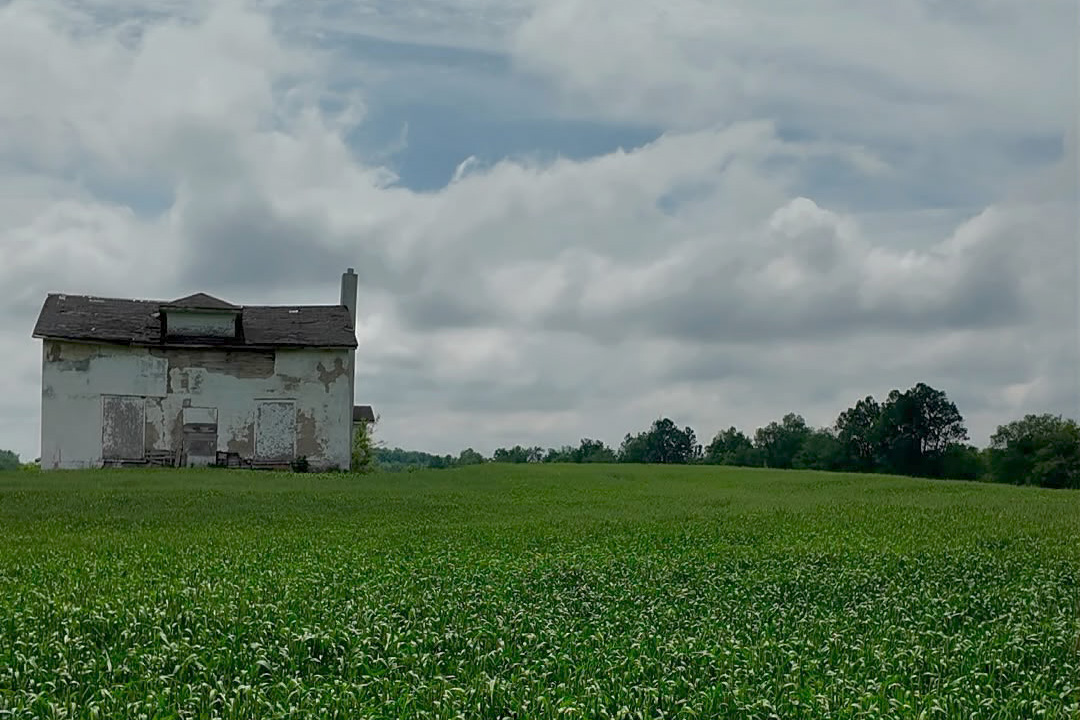
Halton Hills is proud of its rural roots. Our farms, fields, woodlots, and agricultural families are a major part of who we are as a community. Agriculture is not just part of our economy; it is part of our identity, our heritage, and our way of life.
But farming is also demanding work, and at times it can be dangerous work. When an accident happens on a farm property, especially in a field or woodlot without a building, the challenge is not only getting help there quickly. The challenge can be making sure first responders know exactly where to go.
That is why I brought forward a motion asking Town staff to report back on the feasibility of implementing Farm 911, The Emily Project here in Halton Hills.
The issue is straightforward. Many farm fields and woodlots do not have a civic address because they are often considered vacant land if there is no building on the property. In an emergency, that can create real confusion. If someone calls 911 from a field entrance without an address, dispatchers and first responders may have to rely on verbal directions during a stressful situation.
In rural areas, that can mean trying to describe a laneway, a field entrance, a concession road, or a property that may not have a clear marker. And in an emergency, seconds matter.
Farm 911 is designed to help fix that.
The program allows participating municipalities to assign 911-style civic address signage to farm fields, woodlots, and rural entrances where emergency access may be needed. The goal is simple: make it easier for first responders to find the right entrance quickly and safely.
This is not about creating a complicated new bureaucracy. It is about looking at a practical tool that has already been used in other Ontario municipalities and determining whether it can work here in Halton Hills.
The Farm 911 program began after the tragic death of seven-year-old Emily Trudeau in Northumberland County in 2014. First responders had difficulty locating the unmarked field access where the accident occurred. Her story is heartbreaking, and it reminds us that in an emergency, finding the person who needs help is part of the response.
Today, more than 75 municipalities in Ontario have taken steps related to Farm 911. My motion does not assume every detail of the program in advance. It asks staff to bring back a report so Council can understand what implementation would involve, including costs, staffing, signage, dispatch integration, mapping, property owner requests, and any policy or bylaw changes that may be required.
That is the responsible way to approach it.
I also believe this needs to be done with the agricultural community, not simply for the agricultural community. That is why the motion asks staff to engage with local farmers, the Halton Hills Agricultural Roundtable, and other relevant organizations as part of the review. Farmers understand the reality on the ground better than anyone, and their input will be essential.
Some may ask whether modern technology already solves this problem. Cell phones, GPS, and location apps can certainly help. But we should not rely on those tools alone. Cell service is not perfect everywhere. Phones may not always be working. And in a crisis, the person calling for help may not be able to explain their location clearly.
Emergency response still depends heavily on civic addresses and clear access points. A GPS point in the middle of a field is not always enough. First responders still need to know which entrance to use.
That is especially important as farming changes. Many farmers now work fields that are not directly beside their home farm. Equipment is larger. Properties can be spread out. Family members may know someone is working “the back field” or “the rented land,” but that may not be enough for dispatch when time is critical.
This issue is personal to many rural families, including mine. I have family members who have been caught in equipment. I know how quickly a normal workday can turn into something serious. And I know that in farm families, it is often a spouse, parent, child, neighbour, or co-worker who first realizes something is wrong.
When that call to 911 happens, we should make it as easy as possible to send help to the right place.
To me, this is common sense.
It is better to have a sign and not need it than to need a sign and not have one.
Farm 911 is not a flashy issue, but it is an important one. It is about public safety, rural respect, and getting the basics right. It is about supporting our agricultural community in a way that is practical, responsible, and achievable.
Halton Hills should take a serious look at this program and determine how we can make emergency response clearer, faster, and more reliable for our rural residents.
That is worth doing, and it is worth doing right.